
In a rapidly evolving business landscape, reliable communication is no longer just a convenience but a crucial competitive advantage. The transition from traditional landlines to advanced VoIP and cloud-based platforms has revolutionized how companies connect internally and with customers. These digital tools offer features like auto-attendants, mobile integration, and AI-powered analytics, transforming everyday calls into strategic assets. But as technology advances, questions arise: How will security, compliance, and seamless integration shape the future of corporate communication? Will automation and 5G connectivity further empower organizations to respond faster and serve better? This dynamic shift challenges businesses to rethink their communication strategies, balancing efficiency, professionalism, and resilience. Embracing these innovations promises greater agility and stronger relationships, yet the path forward demands careful investment and ongoing adaptation—making the future of business communication as much about strategy as technology.
Navigation
Enhance Your Business Communication with FiberConX’s Reliable Phone Service for Business in Canada
Discover how FiberConX Communications offers top-tier phone service for business solutions tailored for Canadian companies. Specializing in VoIP and IP business phone services, FiberConX provides features such as voicemail, IVR, Ring Groups, and voicemail-to-mail, ensuring seamless and professional communication. Whether you’re managing a small team or a large enterprise, FiberConX’s robust platform helps streamline your calls and improve customer interactions. Reach out today at 1.416.945.9210 or via email at [email protected] to elevate your business communication infrastructure with FiberConX.
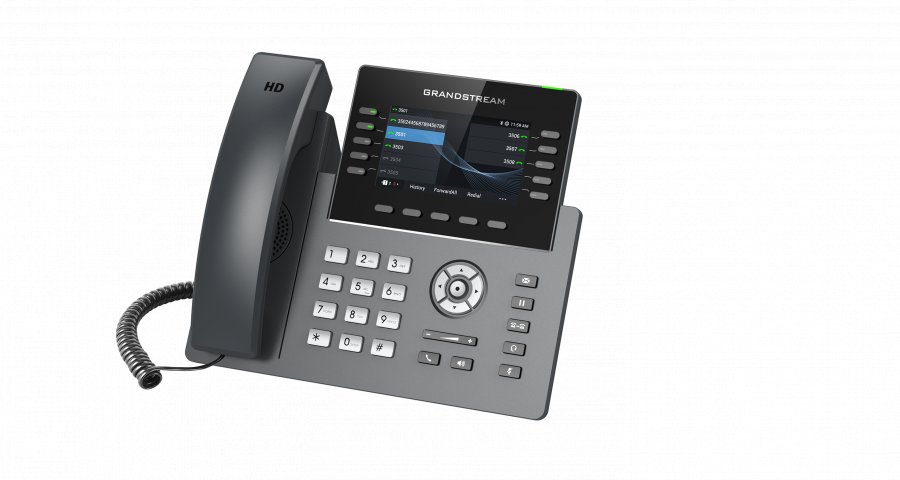
Unlocking Success: The Critical Role of Reliable Business Communication
In today’s fast-moving business environment, clear and reliable communication isn’t just a convenience—it’s a necessity. Companies depend on effective channels to connect with customers quickly, coordinate team efforts seamlessly, and keep operations running without interruption. When communication flows smoothly, businesses can respond faster to opportunities and challenges alike, directly impacting their growth and reputation.
Advances in technology have transformed how organizations communicate. Gone are the days when landline phones were the primary means of contact. Today, digital solutions like VoIP and cloud-based platforms provide greater flexibility, scalability, and features that enhance professionalism. From auto-attendants to call forwarding and mobile integration, these tools help businesses project a polished image while supporting remote and hybrid work models.
Reliable communication systems also build trust and credibility with clients. Quick, clear responses foster customer satisfaction and loyalty, which are vital in competitive markets. When every call is answered promptly and professionally, companies demonstrate dependability and care. This consistency not only improves customer experience but also boosts internal morale, as teams operate more cohesively with dependable tools at their fingertips.
Furthermore, dependable communication infrastructure offers resilience during emergencies or technical disruptions. The ability to reroute calls, manage multiple channels, or support remote work ensures that a business can stay operational no matter what. Investing in robust systems also helps organizations meet industry regulations concerning data security and call recording, safeguarding sensitive information and maintaining compliance.
In essence, effective communication systems are the backbone of modern business success. They enable organizations to stay connected, serve customers better, and adapt swiftly to changing circumstances. As technology continues to evolve, embracing these tools isn’t just smart—it’s essential for building stronger teams and securing a competitive edge.
From Landlines to the Cloud: Tracing the Evolution of Business Phone Systems
The story of business communication technology follows a clear path from the early days of landline phones to today’s internet-based platforms. For decades, companies relied on wired landlines, which connected phones through copper wires to a central exchange. These systems offered dependable, straightforward communication that became the standard for professional interactions. Their clarity and reliability helped establish a baseline of trust and efficiency that remained for many years.
As technology advanced, digital solutions began to replace traditional landlines. Digital switching systems improved call quality and introduced features like voicemail, call forwarding, and automated menus. These innovations made communication more flexible and efficient, paving the way for the next major leap: Voice over Internet Protocol, or VoIP. This technology converts voice signals into digital data packets that travel over the internet, drastically reducing costs and increasing scalability.
The shift from landlines to VoIP was transformative. Unlike fixed copper wires, VoIP relies on internet connectivity, enabling businesses to add lines and features with just a few clicks. This flexibility was especially beneficial for remote work, allowing employees to make and receive calls from anywhere with an internet connection. The ability to support distributed teams without sacrificing quality or professionalism changed the landscape of internal and external communication.
Further innovations built upon these foundations. Touch-tone dialing replaced rotary phones in the 1960s, speeding up interactions. Digital switching in the 70s and 80s enhanced call clarity and introduced conference calling and automated attendants. The rise of VoIP in the late 1990s and early 2000s turned voice communication into a data-driven service, cutting costs while adding features like video conferencing and mobile integration. Each milestone reflects a relentless pursuit of better, faster, and more adaptable connectivity.
Today, internet-based communication platforms continue to evolve, integrating AI-driven analytics, enhanced security measures, and seamless mobile connectivity. These advancements have expanded the role of business phone systems far beyond mere voice calls—they now support operational agility and enriched customer engagement. The evolution from traditional landlines to cloud-based systems underscores a broader trend toward more versatile, scalable, and intelligent communication solutions that meet the demands of modern business.

Navigating Today’s Market: The Modern Landscape of Business Phone Services
Today’s business communication landscape is more dynamic and diverse than ever. While many companies still rely on traditional landlines for core voice functions, there’s an unmistakable shift toward cloud-based VoIP solutions. These internet-driven platforms deliver a suite of advanced features—such as auto-attendants, intelligent call routing, and mobile app integrations—that streamline operations and elevate professionalism. They support remote and hybrid work models effortlessly, connecting teams and customers across multiple locations without sacrificing quality or reliability.
One of the most notable trends is the rise of unified communications platforms that combine voice, video, messaging, and collaboration tools into a single interface. This integration simplifies workflows, reduces the need for multiple apps, and enhances the overall user experience. As customer expectations for quick, seamless responses grow, these comprehensive systems become essential for maintaining competitiveness in fast-paced markets. They enable organizations to stay agile, responsive, and connected at all times.
Emerging innovations like AI-powered call analytics and enhanced security protocols are reshaping how businesses manage their communication channels. AI tools now provide insights into call volume, customer preferences, and service quality, helping organizations refine their strategies. Meanwhile, advanced security features—such as encryption, access controls, and compliance tools—are vital for protecting sensitive data and meeting industry regulations, especially as digital interactions multiply. These enhancements not only improve efficiency but also build trust with clients and partners.
Different sectors and company sizes approach these technologies with unique priorities. Small businesses often focus on affordability and ease of use, opting for solutions that deliver essential features without complexity. Larger firms, on the other hand, require more sophisticated systems capable of supporting multiple locations, extensive integrations, and strict security standards. Despite these differences, the common goal remains: reliable, flexible communication tools that support growth, improve customer experience, and foster internal collaboration.
Overall, the current landscape of business phone services reflects a shift toward smarter, more adaptable platforms. These systems are no longer just about making calls—they are strategic assets that enhance professionalism, operational resilience, and customer satisfaction. As technology continues to evolve, embracing these advancements is key to staying competitive, ensuring your business can connect, collaborate, and thrive in an increasingly connected world.
To ensure your organization stays ahead in this competitive environment, exploring reliable business phone services can make a significant difference. These solutions not only enhance communication efficiency but also support your company’s growth and customer engagement strategies. For more information on modern options, consider visiting business phone services that cater to diverse business needs.
Transforming Operations: Practical Benefits and Challenges of Advanced Phone Features
Modern business phone features have a direct impact on daily operations, transforming routine interactions into opportunities for efficiency and improved service. Auto-attendants and call routing ensure customers are quickly connected to the right department, reducing wait times and projecting a professional image. When clients reach knowledgeable staff promptly, trust and loyalty grow—key factors in staying competitive. These tools turn simple calls into seamless experiences that reinforce a company’s reliability and commitment to customer satisfaction.
Mobile integration takes this a step further by allowing employees to manage calls, voicemails, and messages from smartphones or tablets. This flexibility supports remote work and on-the-go responsiveness, enabling teams to stay connected regardless of location. As a result, businesses maintain high productivity levels and deliver consistent service outside traditional office hours, which is increasingly vital in today’s fast-paced, customer-driven environment.
Beyond external communication, advanced features also streamline internal workflows. Integrated messaging and collaboration tools facilitate instant team communication during calls or quick updates, reducing delays and misunderstandings. When employees can coordinate more efficiently, overall productivity rises, and service quality improves. These features turn everyday interactions into opportunities for better teamwork and faster resolution of issues.
Implementing sophisticated phone systems does come with challenges. Proper staff training is crucial to ensure everyone understands how to leverage new features effectively. Without proper onboarding, even the best systems may fall short of their potential. Security is another critical aspect; encryption, access controls, and compliance tools are necessary to protect sensitive data and meet industry standards. Neglecting these can expose organizations to data breaches or regulatory penalties.
Despite these hurdles, the benefits of modern phone features are clear. They enhance professionalism, bolster customer interactions, and support operational agility. When integrated thoughtfully into daily routines, these tools help build stronger teams and deliver better service. Success depends on aligning technology with specific business goals, providing ongoing training, and prioritizing security measures.
In the end, leveraging these technological features transforms communication from a routine task into a strategic advantage. Reliable, feature-rich systems enable faster responses, foster internal collaboration, and create a professional image that resonates with clients. For businesses aiming to grow and adapt, investing in these tools is not just about technology—it’s about shaping a resilient, customer-focused organization ready for future challenges.

Future-Proofing Business: Embracing Innovation for Next-Generation Communication
As we look ahead, the way businesses communicate will continue to evolve rapidly, driven by technological innovation and shifting customer expectations. Implementing tools like AI-driven analytics, enhanced security protocols, and seamless mobile integration isn’t just about staying current—it’s about gaining a competitive edge. These advancements empower organizations to deliver more personalized, efficient service while streamlining internal processes, helping them adapt quickly to market changes and new opportunities.
Reliable and integrated communication systems remain the backbone of business success. They enable faster responses, foster collaboration, and project a professional image that builds trust with clients. Companies that leverage these tools effectively can turn everyday interactions into strategic advantages, creating stronger relationships and better service experiences. In a world where speed and professionalism matter more than ever, staying ahead means investing in systems that support agility and growth.
Security will continue to be a critical focus as communication platforms become more sophisticated. Protecting sensitive data and maintaining regulatory compliance require ongoing investment in encryption, access controls, and security updates. Prioritizing these measures not only safeguards a company’s reputation but also cultivates trust with customers and partners, ensuring long-term stability in an increasingly digital landscape. Embedding security into every aspect of communication is no longer optional; it is essential.
Automation and artificial intelligence will reshape how businesses interact with customers and manage internal workflows. Smarter call analytics, virtual assistants, and automated processes will reduce manual workloads and deliver more consistent, high-quality service. As 5G networks expand, mobile connectivity will become even more reliable, supporting remote workers and on-the-move teams without sacrificing performance. These innovations will make organizations more responsive, agile, and prepared for future challenges.
Building a resilient, adaptable communication infrastructure is vital for long-term success. Embracing emerging technologies and continuously refining strategies ensure your business can respond swiftly to market shifts, meet evolving customer needs, and sustain growth. Staying informed about trends and investing in scalable solutions isn’t just smart—it’s necessary in an interconnected world where the ability to connect, collaborate, and innovate defines leadership.
Finally, the future of business communication hinges on a commitment to continuous improvement. As new tools and platforms emerge, integrating them thoughtfully into your operations will unlock greater efficiency, foster stronger teams, and elevate customer experiences. By viewing communication as a strategic asset rather than just a utility, organizations can position themselves for sustained success—ready to adapt, thrive, and lead in the digital age.