
In an era where seamless communication is the backbone of success, are traditional business phone systems still sufficient, or is the evolution toward advanced VoIP solutions reshaping competitive landscapes? Modern systems go beyond simple calls, offering features like auto-attendants, call routing, voicemail-to-email, and mobile integration that elevate professionalism and efficiency. This transformation allows companies—big or small—to scale rapidly, ensure security, and maintain operations during outages, all while projecting a polished image. Yet, as technology becomes more sophisticated, the question arises: are organizations prepared for the security and compliance challenges that come with these innovations? The future promises AI-driven call management, deeper CRM integration, and smarter analytics, but how will businesses adapt to these rapid advances? Embracing this digital evolution could mean the difference between merely staying afloat and thriving in a fiercely competitive marketplace—what’s holding organizations back from harnessing these powerful tools?
Transform Your Business Communications with FiberConX’s Advanced Phone Solutions
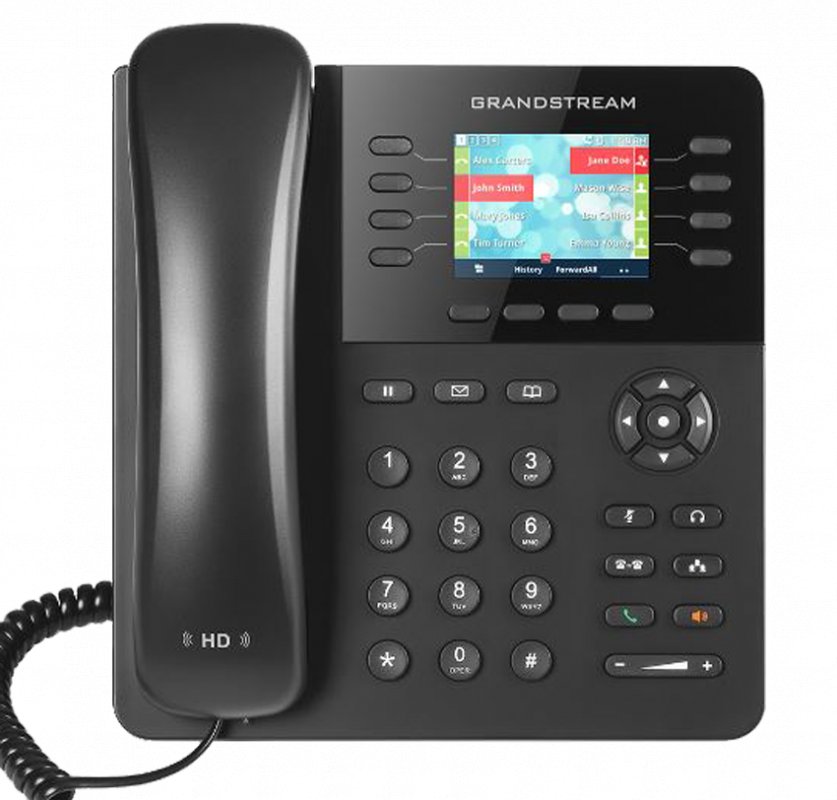
Enhance your business communication infrastructure with FiberConX Communications, a leading provider of business phone service in Canada. Specializing in VoIP and IP business phone services, FiberConX offers features like voicemail, IVR, Ring Groups, and voicemail-to-mail, ensuring seamless and professional communication for your team. Whether you’re looking to improve customer interactions or streamline internal calls, their reliable solutions are tailored to meet your needs. Reach out to their expert team at [email protected] or call 1.416.945.9210 to discover how FiberConX can elevate your business communications today.
Unlocking the Power of Modern Business Communication Technologies
In today’s fast-moving business world, reliable communication isn’t just a bonus—it’s essential. Companies depend on clear and consistent connections to serve customers, coordinate teams, and stay competitive. When communication breaks down, delays happen, mistakes increase, and opportunities can slip away, making dependable phone systems a top priority.
The way businesses communicate has evolved dramatically over the years. Once, landline phones were the standard, offering straightforward voice calls but little else. These systems were reliable but inflexible, often requiring costly hardware upgrades as companies expanded. Digital PBX systems improved on this by adding features like voicemail and call forwarding, making internal management easier. Still, they relied on on-site equipment, limiting scalability and remote accessibility.
The real revolution arrived with Voice over Internet Protocol (VoIP). Instead of physical wires, VoIP turns voice signals into data packets sent over the internet. This shift drastically reduces costs and introduces a wealth of features—video conferencing, mobile integration, and instant scalability—that were impossible with traditional systems. Cloud-based VoIP platforms enable businesses to manage their communication tools remotely, making updates and adjustments quick and simple.
Modern business phone services do more than just connect calls; they shape how companies present themselves. Auto-attendants and call routing create a professional first impression, guiding callers smoothly and efficiently. Voicemail-to-email delivers messages directly to inboxes, speeding up follow-up times. These features help businesses project a polished image and improve customer satisfaction, often turning inquiries into long-term loyalty.
Flexibility and resilience are key benefits of these evolving systems. Cloud-based platforms allow for easy scaling—adding new lines or features takes just a few clicks. During outages or emergencies, calls can be rerouted automatically to mobile devices or backup lines, ensuring business continuity. This adaptability supports remote work and hybrid models, allowing employees to stay connected from anywhere with an internet connection.
Security has become a vital aspect of modern communication tools. Encryption protocols and call recording features help protect sensitive conversations and meet industry compliance standards. This focus on security is integral to maintaining trust with clients and partners, especially in sectors handling confidential information. It’s a sign that reliable communication now means also being safe and compliant.
This evolution from traditional landlines to cloud-based VoIP solutions reflects a broader shift toward more flexible, feature-rich, and secure platforms. Each step has addressed previous limitations, enabling organizations to grow, adapt, and compete more effectively. Staying current with these technologies isn’t just an option; it’s a strategic necessity.
As we look to the future, it’s clear that advanced communication systems will continue to transform how companies connect. From AI-powered call management to deeper integrations with customer data, the tools available will become even more intuitive and powerful. Embracing this ongoing change is key for any organization aiming to thrive in a digital-first world.
Foundations of Business Phone Systems: From Landlines to Cloud Connectivity
Business phone systems form the backbone of how organizations communicate, and understanding their evolution helps clarify why modern solutions are so powerful. In the beginning, landline phones relied on physical copper wires connecting offices to a central switchboard. These systems provided reliable voice communication but lacked features and flexibility. Expanding or managing multiple lines meant hardware upgrades and complex wiring, which made scaling costly and cumbersome.
Digital Private Branch Exchange (PBX) systems marked a significant step forward. They allowed for better management of internal lines and introduced features like call forwarding, voicemail, and automated attendants. These improvements enhanced customer service and internal workflows without needing extensive hardware changes. However, they still depended on on-site equipment, limiting flexibility for remote work and rapid growth.
The real breakthrough came with Voice over Internet Protocol (VoIP). Instead of relying on physical wires, VoIP converts voice signals into data packets sent over the internet. This shift dramatically lowered costs and made management easier. VoIP systems support features like video conferencing, mobile integration, and quick scalability through online dashboards. They empower businesses to add lines or update features instantly, fostering greater agility.
Modern business phone systems are built around core functionalities that boost professionalism and efficiency. Auto-attendants act as virtual receptionists, greeting callers and directing them to the right department without human intervention. Call routing ensures inquiries reach the appropriate team member immediately, reducing wait times and miscommunications. Voicemail-to-email delivers voice messages directly to inboxes, streamlining follow-up and organization.
For a related discussion, review Ophie Nelson‘s article Transforming Business Success Through Modern Communication Systems on Cay Klaire.
Cloud-based platforms have taken this evolution further, offering simple management and seamless scalability. Businesses can add or remove lines and features with just a few clicks, making it easy to adapt during growth phases. These systems also enhance resilience, automatically rerouting calls during outages or hardware failures so communication remains uninterrupted. As remote work becomes more common, the ability to make and receive calls from anywhere with an internet connection has become essential for maintaining professionalism and operational continuity.

In-Depth Features that Transform Business Communication Efficiency
Advanced business phone features are the backbone of a professional, efficient communication system. Auto-attendants serve as virtual receptionists, greeting callers with a friendly message and guiding them to the correct department without the need for human intervention. This not only streamlines call handling but also creates a polished first impression, showcasing a well-organized company. Call routing ensures inquiries are directed immediately to the right person, reducing wait times and miscommunications. Whether through direct extensions or skill-based routing, these features keep conversations flowing smoothly and efficiently.
Voicemail-to-email has transformed how teams handle messages, especially on the move. Instead of listening to voicemails on a device, employees receive voice messages as digital files directly in their inboxes. This accelerates follow-up, improves organization, and integrates seamlessly into daily workflows. Mobile integration further enhances flexibility, allowing staff to make and receive calls from smartphones whether they’re in the office or out in the field. This capability helps maintain a professional image and ensures prompt responses, regardless of location.
Customer experience benefits greatly from these features. When callers are greeted promptly, directed correctly, and have their messages delivered instantly, trust and satisfaction grow. Call forwarding ensures that even if the primary contact is unavailable, calls are automatically rerouted to other team members or mobile devices, preventing missed opportunities. Such capabilities foster reliability and responsiveness, critical factors in building long-term loyalty and positive brand perception.
Modern cloud-based systems unify these features into an easy-to-manage platform. Admins can configure auto-attendants, call routing, and voicemail settings through intuitive online dashboards. This simplicity allows quick adjustments—like updating holiday greetings or adding new extensions—supporting agility as the business evolves. The ability to remotely manage and modify settings makes scaling and adapting effortless, particularly for organizations with remote or hybrid teams.
Security and compliance are integral to deploying these advanced features. Modern systems incorporate encryption protocols to safeguard conversations and support call recording for quality control and legal adherence. These tools help organizations protect sensitive data and meet industry standards, which is especially vital in sectors such as healthcare, finance, and legal services. Embedding security into core functionalities ensures that efficiency and professionalism go hand in hand with trust and compliance.
This perspective is expanded in Jessamine Robinson‘s article Transforming Business Communication for the Digital Age on Madison County Friends.
When these features work together—auto-attendants guiding callers, call routing ensuring swift connections, voicemail-to-email speeding follow-ups, and mobile integration supporting remote teams—they create a cohesive, high-performance communication environment. This synergy not only boosts productivity but also projects a strong, professional image that helps organizations stand out in competitive markets. Embracing these tools is no longer optional; it’s essential for businesses aiming to thrive in today’s digital landscape.
Real-World Success: How Businesses Leverage Advanced Phone Solutions
Modern business phone services are proving their value through tangible, real-world applications that drive growth and professionalism. Take a regional healthcare provider that upgraded to a cloud-based VoIP system. With auto-attendants and smart call routing, patients experience shorter wait times and are directed effortlessly to the right department. This streamlining not only improves patient satisfaction but also reduces administrative workload, allowing staff to focus more on care rather than call management.
Similarly, a retail chain integrated voicemail-to-email and mobile features across its outlets. Sales teams working remotely or in the field can respond promptly to customer inquiries, maintaining a professional presence regardless of location. This flexibility ensures that no opportunity slips through the cracks, supporting quicker responses and stronger customer relationships.
Rocky Room includes an in-depth article by Tavi Young titled Transforming Business Communication with Modern Phone Solutions.
In industries like legal or financial services, call recording and encryption have become vital. These organizations use advanced features to safeguard sensitive conversations while ensuring compliance with strict regulations. The ability to record and securely store calls offers both legal protection and quality assurance, reinforcing trust with clients and partners.
For small startups, transitioning to a cloud-based system meant rapid scalability. Adding new lines or updating greetings during holiday seasons takes minutes instead of weeks. This agility allows these businesses to adapt quickly to market demands without heavy infrastructure investments, fostering faster growth and more dynamic customer engagement.
Resilience is another key benefit. During technical outages or emergencies, cloud platforms reroute calls automatically to backup lines or mobile devices. This ensures uninterrupted communication, which can be a decisive factor in maintaining customer trust and operational continuity in competitive markets.
Remote and hybrid teams also thrive with these advanced systems. Employees can answer calls, check voicemails, or adjust settings from anywhere, using their smartphones or laptops. This seamless connectivity not only supports flexible work arrangements but also helps maintain a consistent, professional experience for clients and colleagues alike.
Cost savings play a significant role. Businesses avoid costly hardware upgrades and long-term maintenance by switching to cloud-based VoIP. As they grow, scaling becomes straightforward—adding lines or features is just a few clicks away—making these systems a smart investment in long-term success.
In essence, these practical applications showcase how modern phone services go beyond simple communication. They empower organizations to project professionalism, respond swiftly to customer needs, and scale effortlessly—all while safeguarding sensitive data. This combination of efficiency, security, and flexibility makes advanced business phone features indispensable in today’s competitive landscape.
Future Trends in Business Communication: Embracing Innovation and Security
Looking ahead, the landscape of business communication is set to evolve rapidly, driven by innovations like artificial intelligence and deeper integration with customer data. AI-powered tools will enhance call management through smarter routing, automated responses, and even personalized interactions, making communication more seamless and efficient. As these technologies mature, companies will be able to respond faster, creating experiences that feel tailored and attentive to individual needs.
At the same time, the integration of communication platforms with customer relationship management (CRM) systems will become more common. This will allow teams to access client information instantly during calls, enabling more cohesive and responsive service. Such synergy will not only boost operational efficiency but also deepen customer relationships, fostering loyalty in increasingly competitive markets.
However, this digital shift also raises important security considerations. As systems become more interconnected and sophisticated, safeguarding sensitive conversations and ensuring compliance will require ongoing investments in encryption, secure storage, and access controls. Organizations that prioritize these measures will maintain trust and avoid costly breaches, solidifying their reputation for reliability.
Voice-activated interfaces and AI-driven analytics are poised to become more prevalent. Voice commands may soon allow users to manage calls or retrieve information hands-free, while analytics can provide insights into customer behavior and preferences. Cloud-native platforms will likely continue to improve in usability, offering management tools that adapt effortlessly as businesses grow or pivot, making advanced features accessible even for smaller organizations.
Remote and hybrid work models will remain central, emphasizing the need for high-quality video, mobile integration, and dependable remote calling solutions. Organizations that invest in these tools will be better equipped to maintain professional connections across distances, ensuring continuity and resilience regardless of where employees are located. This flexibility will be key to supporting long-term growth and agility.
Staying ahead in this evolving environment means embracing these technological advancements rather than resisting them. Businesses that leverage innovative tools will enjoy increased operational agility, enhanced security, and stronger customer engagement. They will be better positioned to scale efficiently and respond swiftly to market changes, transforming communication from a simple necessity into a strategic advantage. As the digital transformation continues, building connections that are fast, secure, and meaningful remains the ultimate goal, driving sustained success in an increasingly competitive world.