
In an era where seamless communication is vital for competitive advantage, modern business phone services are revolutionizing how organizations connect internally and externally. Transitioning from traditional landlines to innovative VoIP and cloud-based platforms, companies now enjoy scalable, cost-effective solutions packed with advanced features like video conferencing, auto-attendants, and mobile integration. This evolution promises to reshape customer experiences, streamline workflows, and support remote work, but also raises critical questions about security and implementation challenges. As technology continues to advance with AI-driven virtual assistants, 5G connectivity, and deep platform integration, organizations face the exciting yet complex task of staying ahead in a digital landscape that demands agility, resilience, and sophistication. Will future communication platforms be intuitively adaptive, turning voice and video into strategic assets? The ongoing innovation invites organizations to rethink connectivity—are they prepared to harness the potential of the future of professional communication?
Elevate Your Business Communications with FiberConX’s VoIP Solutions
Discover top-tier phone service for business tailored for Canadian companies. FiberConX Communications specializes in reliable VoIP and IP business phone services that enhance connectivity and productivity. Key features include advanced voicemail, customizable IVR, ring groups for efficient call management, and voicemail-to-mail transcription, ensuring you stay connected anytime, anywhere. Whether you’re a small enterprise or a large corporation, FiberConX delivers scalable solutions to meet your communication needs. Reach out today at 1.416.945.9210 or email [email protected] to learn how our phone service for business can transform your business communication infrastructure.
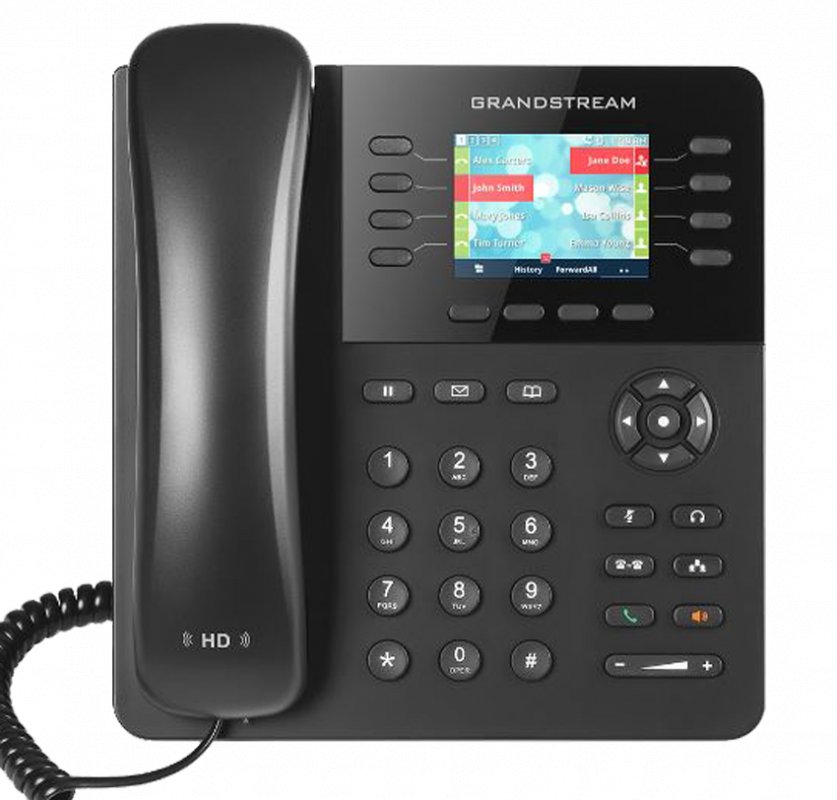
Embracing the Evolution of Modern Business Communication
In today’s fast-moving business world, clear and reliable communication isn’t just a convenience—it’s a must. Companies need tools that connect employees and customers smoothly, projecting a professional image while boosting efficiency. Over the years, this demand has driven a rapid evolution in how organizations handle their phone systems. From traditional landlines to sophisticated internet-based platforms, the way we communicate at work has transformed dramatically.
Moving away from landlines, many businesses now rely on Voice over Internet Protocol (VoIP). This technology transmits calls over the internet, offering significant cost savings and a host of new features. VoIP makes it possible to integrate video calls, instant messaging, and voicemail-to-email into a single, flexible platform—changing the way teams collaborate and engage with clients. This shift has opened the door to more dynamic and responsive communication, essential for staying competitive.
Cloud computing has played a crucial role in this transition. Cloud-based phone systems allow organizations to manage their entire communication setup remotely, scaling easily as they grow. Adding new lines or features is quick and straightforward, often handled through online dashboards rather than hardware upgrades. This flexibility helps businesses adapt rapidly to changing needs without costly disruptions, supporting growth and agility in today’s digital environment.
Modern systems also focus heavily on customer experience. Features like auto-attendants, smart call routing, and mobile integration streamline interactions, reduce wait times, and help direct callers efficiently. These tools enable companies to deliver a more professional, responsive service—building trust and loyalty with customers. Meanwhile, mobile connectivity ensures that employees can stay connected from anywhere, whether they’re working remotely or on the road, making flexible work arrangements easier than ever.
As these technologies advance, security and compliance become even more important. Encryption, secure call recording, and access controls help protect sensitive conversations and ensure regulatory standards are met. The evolution of business phone services is about more than just making calls; it’s about creating a connected, secure, and adaptable communication environment—one that supports growth, enhances customer satisfaction, and prepares organizations for the future of work.
Technological Breakthroughs Reshaping Business Phone Systems
Over the past few years, technological innovations have revolutionized how business phone services operate, pushing beyond traditional landlines into a new realm of digital connectivity. The most notable shift has been the widespread adoption of Voice over Internet Protocol (VoIP), which allows voice calls to travel over the internet instead of copper wires. This transition has dramatically cut communication costs while unlocking a suite of advanced features that enhance both internal collaboration and customer engagement.
Cloud computing has been a key driver of this transformation. Cloud-based platforms enable organizations to manage their entire phone systems remotely, offering scalable solutions that grow with the business. Unlike traditional setups, where adding new lines or features meant hardware upgrades and lengthy installations, cloud systems make changes quick and straightforward through user-friendly online dashboards. This flexibility supports rapid adaptation to market changes and business expansion, without the usual disruptions.
Auto-attendants and intelligent call routing have also benefited from recent technological advances. Modern auto-attendants can greet callers with personalized messages and direct them efficiently, reducing wait times and improving customer experience. Advanced call routing algorithms analyze caller data and agent availability to connect customers with the right representative swiftly, streamlining workflows and projecting a polished, professional image.
The rise of AI-driven virtual assistants further transforms customer interactions. These virtual agents handle routine inquiries, schedule appointments, and provide instant support, freeing up human agents to focus on complex or high-value tasks. As AI continues to evolve, these virtual assistants will become more intuitive, offering proactive support and predictive problem-solving that anticipate customer needs even before they articulate them.
On Crazy Bard, Layla Harper provides additional insight in the article Revolutionizing Business Communication with Cutting-Edge Phone Technologies.
Mobile integration is another technological leap that has redefined business communication. Modern platforms support seamless connectivity through smartphone apps, allowing employees to make and receive calls as if they were at their desks—whether working remotely or on the go. This mobility ensures that teams remain responsive, maintaining high service levels regardless of physical location, which is vital in today’s flexible work environment.
Security concerns have driven significant innovations in encryption, access controls, and call recording. As more systems operate online, safeguarding sensitive conversations and customer data has become paramount. Advanced security features not only meet regulatory standards like GDPR and HIPAA but also build trust with clients by protecting their information from cyber threats and unauthorized access.
Finally, the integration of communication platforms with other digital tools is accelerating. Future-ready systems will connect seamlessly with customer relationship management (CRM), enterprise resource planning (ERP), and analytics tools. This interconnectedness will enable organizations to analyze interactions, automate follow-ups, and personalize experiences at scale, turning voice and video into strategic assets that drive growth and efficiency.

Industry Perspectives and Trends in Digital Communication
Today, industries across the board see modern communication tools as vital to staying competitive in a rapidly changing digital landscape. Reliable, flexible systems aren’t just a convenience—they’re essential for delivering quick responses, fostering collaboration, and shaping a strong brand image. Cloud-based VoIP and unified communication platforms have become standard because they support remote work, scale effortlessly, and integrate smoothly with other digital tools. This shift reflects a clear understanding: effective communication directly drives growth, operational efficiency, and customer loyalty.
Most organizations recognize that advanced phone systems elevate operational capabilities. Features like auto-attendants, smart call routing, and mobile support help streamline customer interactions and internal workflows. They enable companies to project professionalism and respond swiftly to customer needs, building trust and satisfaction. However, some remain cautious, citing concerns over security, integration challenges, and costs—especially for smaller firms with limited budgets. Despite these issues, the consensus is that these platforms are powerful assets that transform how businesses serve clients and manage teams.
A related discussion appears in Transforming Business Communication with Next-Generation Phone Technologies, written by Quincy Garcia for Rocky Room.
Adopting new communication technology isn’t without debate. Security remains a key concern as more systems go online, prompting investments in encryption, secure call recording, and threat detection. Cost considerations influence decisions, particularly for smaller organizations that may find initial setup and ongoing maintenance demanding. Integration complexities can also pose hurdles, requiring careful planning and staff training to avoid disruptions. Yet, many see these challenges as manageable trade-offs in exchange for the significant benefits these systems offer.
Media coverage often highlights success stories of companies revolutionizing their operations through VoIP, video conferencing, and mobile features. These narratives emphasize how technology enables remote work, improves customer service, and boosts agility. However, they also acknowledge challenges like security vulnerabilities and high implementation costs, serving as reminders for organizations to approach modernization thoughtfully. The overall tone remains optimistic, with a focus on how embracing innovation can unlock new opportunities when approached strategically.
Regional differences shape how businesses adopt these tools. In North America and Europe, widespread internet access and strict compliance standards accelerate cloud and VoIP adoption. Meanwhile, in parts of Asia and emerging markets, affordability and mobile-first strategies influence deployment timelines and priorities. Despite these variations, the trend is clear: companies worldwide increasingly view modern communication platforms as strategic drivers of resilience, growth, and deeper customer engagement, shaping the future of professional connectivity.
Practical Steps to Adopt Cutting-Edge Phone Solutions
Starting the transition to modern business phone solutions begins with a clear assessment of your current communication needs. Pinpoint the features most essential to your operations—be it remote access, auto-attendants, video conferencing, or mobile support. This focus helps narrow your choices and ensures the platform you select aligns with your goals. Comparing providers based on scalability, security, and integration capabilities will set a strong foundation, preventing costly mistakes or mismatched systems down the line.
Adopting a phased rollout makes the switch smoother and minimizes disruptions. Launching the new system in stages—such as starting with a single department or pilot group—allows your team to adapt gradually. It provides valuable feedback, uncovers potential issues early, and builds confidence among staff. This incremental approach ensures that when the entire organization transitions, everyone is prepared, and operational flow remains intact.
Staff training is crucial for maximizing the benefits of your new platform. Even the most advanced systems can fall short if users aren’t comfortable and confident with their features. Offering comprehensive training sessions, supplemented by easy-to-follow guides or tutorials, helps staff understand how to leverage the technology effectively. Encouraging hands-on practice and addressing questions upfront reduces resistance and boosts overall adoption, leading to better customer interactions and internal efficiency.
This perspective is expanded in Finn Graham‘s article Revolutionizing Business Communication with Cutting-Edge Phone Technology on The Crickets.
Once the system is live, ongoing support and regular reviews keep everything running smoothly. Assign dedicated personnel or teams to monitor performance, gather user feedback, and address security concerns promptly. Regularly updating software, reviewing usage patterns, and exploring new features ensures your communication environment stays current and aligned with evolving needs. This continuous oversight maximizes your investment and helps your organization adapt seamlessly to future changes.
Careful planning is key to avoiding common pitfalls like rushed deployment, inadequate training, or overlooked security measures. Developing a detailed implementation plan—complete with testing phases, clear communication, and dedicated support resources—reduces risks and ensures a smoother transition. Using checklists, leveraging vendor resources, and establishing support channels streamline the process, giving your team confidence and clarity every step of the way. With deliberate preparation, your organization can unlock the full potential of modern business phone solutions and enjoy improved connectivity, security, and scalability.
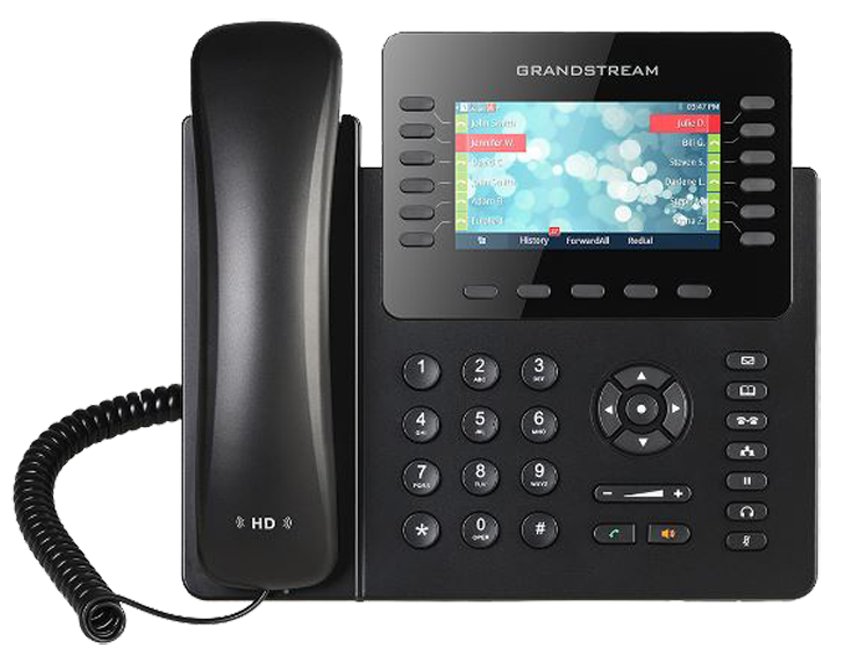
Future Horizons: Next-Generation Business Communication Innovations
The future of business communication promises to be more resilient, intelligent, and deeply integrated than ever before. With the rollout of 5G networks, organizations will benefit from lightning-fast, reliable internet connections that make seamless voice and video interactions possible from almost anywhere. This boost in connectivity will empower remote teams in regions with less developed infrastructure to operate with a professionalism and responsiveness that rivals traditional office setups, opening new doors for collaboration and growth.
Artificial intelligence and machine learning are already beginning to reshape how calls are managed and customer support is delivered. In the coming years, these technologies will handle tasks like predictive call routing, automated support, and proactive troubleshooting, significantly reducing wait times and elevating customer satisfaction. Virtual assistants that understand caller needs before they speak will become standard, allowing human agents to focus on more complex issues and personalized service.
Security concerns will continue to drive innovations in encryption, blockchain, and advanced access controls. These tools will provide greater transparency and protection for sensitive conversations, helping organizations safeguard their data and meet strict compliance standards. As cyber threats evolve, so will the defenses, building trust with clients and partners while ensuring that communications remain private and secure.
Integration with other digital platforms will deepen, transforming voice, video, and data into a unified ecosystem. Future systems will connect seamlessly with customer relationship management (CRM), enterprise resource planning (ERP), and analytics tools, enabling organizations to analyze interactions, automate follow-ups, and deliver highly personalized experiences at scale. This interconnectedness will turn conversations into strategic assets that drive operational efficiency and customer loyalty.
Remote and hybrid work environments will be fully supported by these technological advances. Ultra-fast connectivity combined with smarter, more intuitive platforms will allow organizations to operate with a responsiveness that exceeds traditional office boundaries. Employees will be able to collaborate, share information, and serve customers from anywhere without sacrificing quality or security, reshaping what it means to work flexibly.
User interfaces will become more natural and accessible, with voice commands, natural language processing, and personalized dashboards simplifying complex systems. This evolution will lower the barrier to adoption, empowering users at all levels to harness advanced tools effortlessly and effectively, fostering a more inclusive digital workplace.
As innovations continue, the focus will shift toward creating more user-friendly, adaptable communication platforms. Reducing complexity and emphasizing intuitive design will be key to encouraging widespread adoption and maximizing value. The goal is to develop systems that seamlessly adjust to the needs of modern businesses, supporting growth, resilience, and a competitive edge in a rapidly changing landscape.
Looking ahead, the trajectory of business communication is clear: it will be faster, smarter, and more secure. These advancements will fuel a new era of organizational agility and customer engagement, where technology continuously enhances how we work and connect. Companies that embrace these trends early will unlock new opportunities for innovation, expand their reach, and stay ahead in a global economy that demands constant adaptation. The journey toward more connected, responsive, and secure professional communication is just beginning, promising a future where technology empowers us to work better, smarter, and more securely than ever before.